
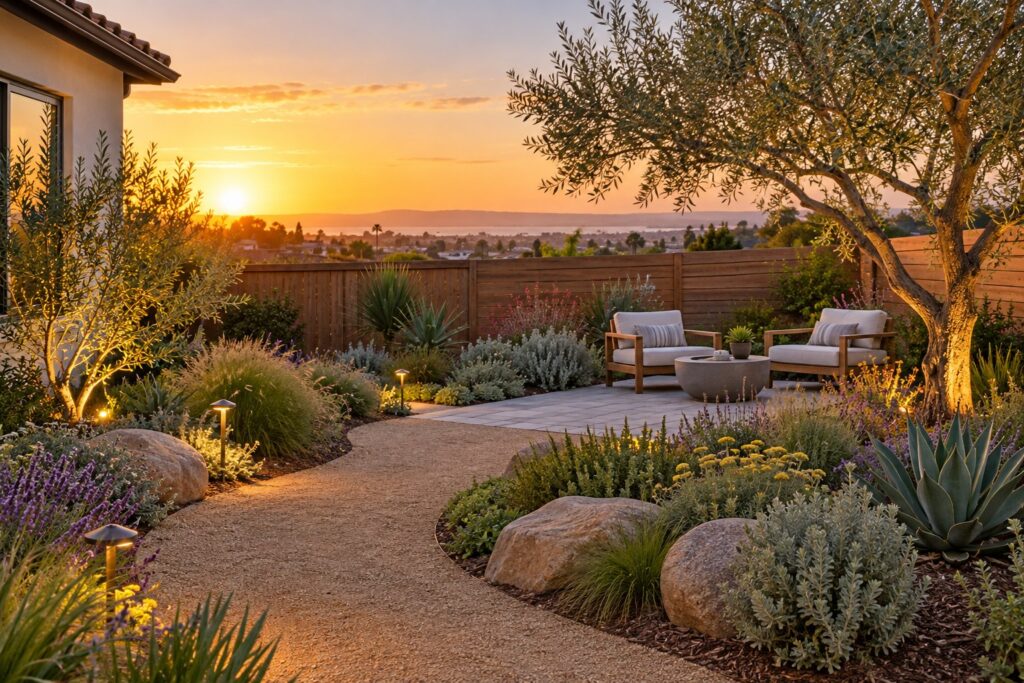
A yard can look polished in a concept drawing and still miss the way a household wants to live. Begin a landscape project with a practical brief: where you sit, how people move through the space and what upkeep you will realistically do. Those choices give a designer or landscape contractor a more useful starting point than a collection of unrelated inspiration images.
Identify the space’s main job
Choose the activities that matter most, such as a quiet seating area, an open play space or easier access to planting beds. Note existing features you want to retain and views you would like to frame. Tell the provider which requests are essential and which can wait. A short priority list helps protect the purpose of the project when selections compete for space.
Share what you notice over time
Describe where water collects, how shade changes and which areas are difficult to maintain. Photograph the yard from the same viewpoints at different times if useful. These observations help a professional decide what needs closer assessment. Avoid treating a plant choice or surface finish as a solution to a drainage or irrigation concern before those underlying conditions have been evaluated.
Discuss care before selecting materials
Ask what the proposed plants will look like at maturity and what routine care they need. Talk through irrigation, establishment visits and who adjusts the plan as plants grow. For paving and other finishes, ask about cleaning and maintenance in the actual location. A design fits the household better when its ongoing responsibilities are understood before installation begins.
Turn the concept into a complete scope
The installation proposal should describe preparation, removals, access and disposal as well as the visible features. Identify plant sizes, irrigation work and any excluded site work. If the project will be phased, ask what must happen first and how later work will connect. A clear sequence helps you avoid paying to disturb a finished area when another planned feature is added.
Put it into practice
- Rank the three activities the yard must support.
- Photograph existing drainage, shade and access conditions.
- Ask for plant-care responsibilities and a phased installation scope.
landscape providers for a more useful outdoor space to choose the right category and make a more useful shortlist.