
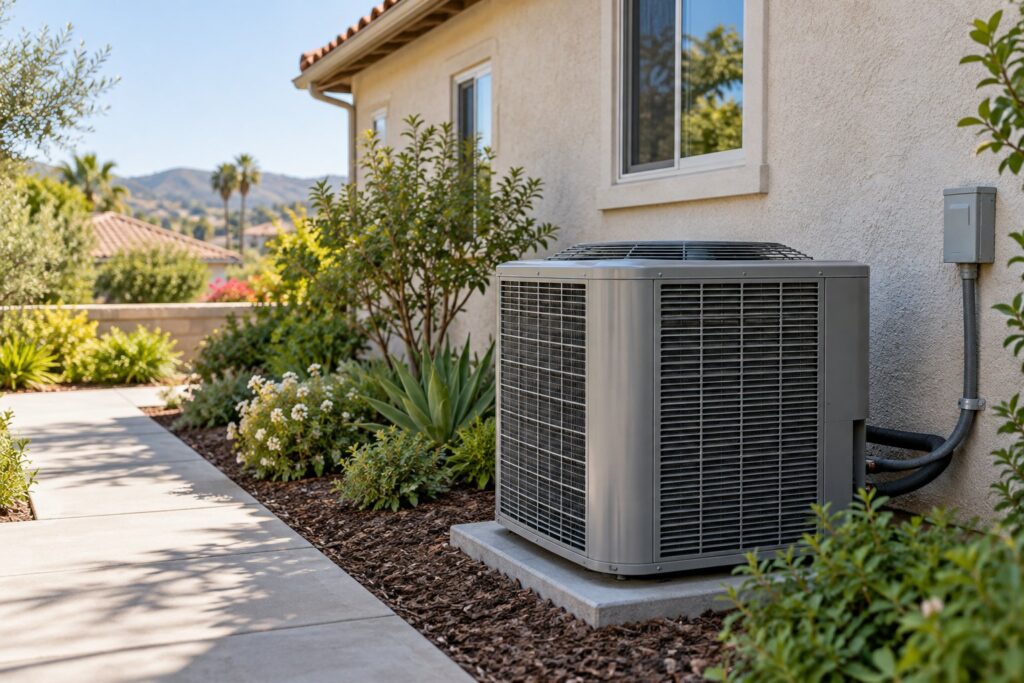
A heating or cooling visit can become a major purchase decision quickly. Slow the conversation down enough to understand the finding and your alternatives. The useful question is not simply whether a unit is old. It is whether the proposed work addresses the documented problem and suits the way your household uses the home, now and in the foreseeable future.
Start with the technician’s findings
Ask what was inspected or tested and which findings explain the symptoms you reported. Request a written description you can keep with the service record. If a repair is available, ask what it includes and whether other concerns remain. An equipment replacement recommendation should have a reason you can understand, rather than relying only on the inconvenience of the current breakdown.
Explain comfort room by room
Tell the company about rooms that feel different, household schedules and features you want to improve. Mention a planned addition or change in how the home is occupied. This is useful context for a professional assessment of equipment, controls and air distribution. Do not assume that replacing the existing unit with something similar will resolve every comfort complaint without investigating those complaints separately.
Compare the whole installed system
Ask each replacement bidder to identify the equipment, controls and related work included. Clarify any duct changes, electrical work, access arrangements and finishing. Find out who coordinates another trade when needed. Compare the installation plan and the checks performed at completion, not just a model name or an attractive advertised package. Different scopes can produce very different project totals.
Understand ownership after installation
Review the written product and labor terms separately. Ask what registration, maintenance or documentation the provider expects and who handles a follow-up concern. Confirm which parts of the original house remain outside the new work. Keep the final equipment information, settings guidance and service documents together so the next appointment starts with an accurate record rather than another round of guesswork.
Put it into practice
- List comfort problems by room before the assessment.
- Request repair and replacement scopes where both are practical.
- Compare equipment, related trades, completion checks and written coverage.
local heating and air-conditioning providers to choose the right category and make a more useful shortlist.